
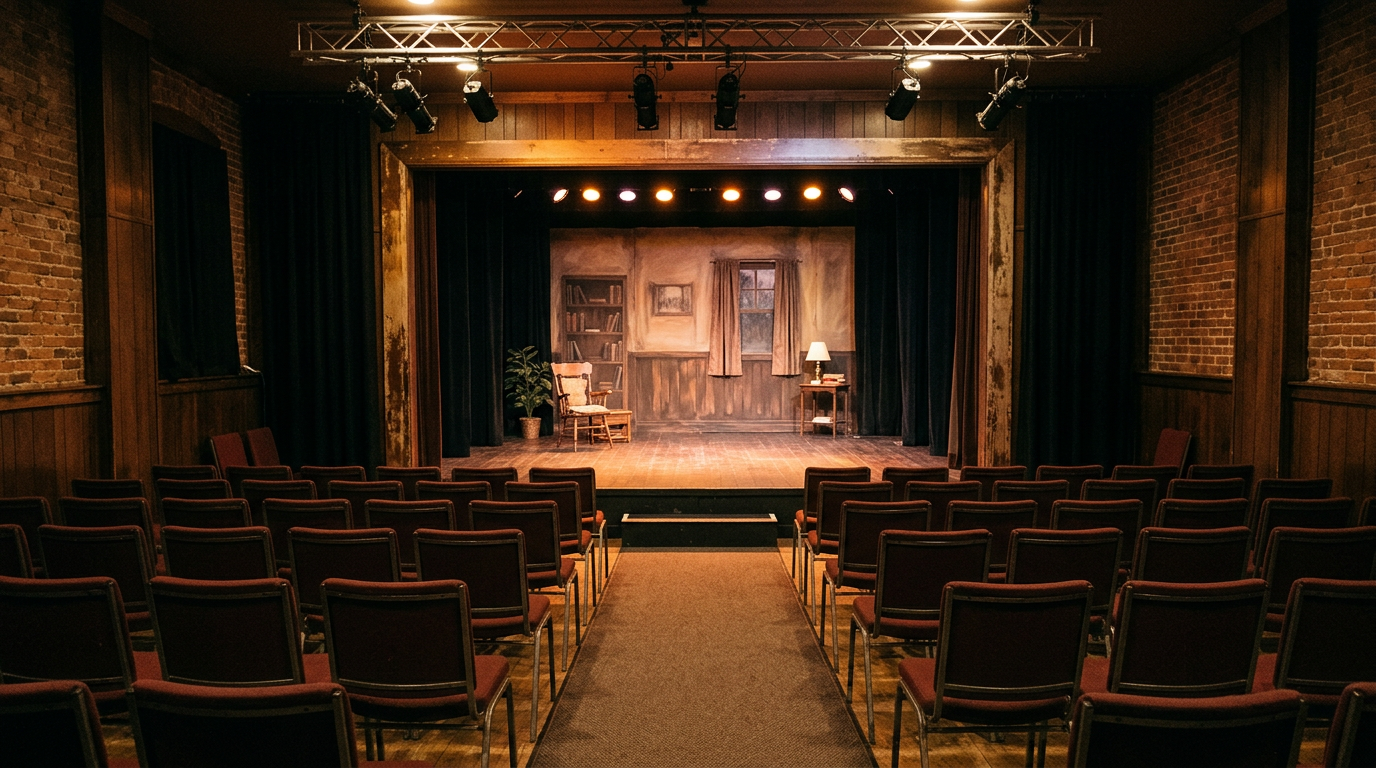
Professional touring productions may rely on major sponsors, but community theatres usually survive through layered local support. Financial resilience comes from many small streams, not one large donor.
Ticket sales remain foundational, yet pricing must stay accessible. Most groups balance affordable seats with season passes, premium nights, or bundled family offers.
Membership programs provide stability between productions. Annual supporters often receive early booking access, newsletters, or rehearsal previews that strengthen long-term engagement.
Grants help with equipment and youth programs, but applications require time and administrative skill. Groups that assign a dedicated grant coordinator tend to perform better.
Partnerships with schools, choirs, and local businesses reduce costs. Shared rehearsal spaces, borrowed technical equipment, and co-promoted events can stretch tight budgets.
Volunteer labor is essential but needs structure. Clear schedules, role rotation, and recognition practices prevent burnout and keep backstage operations reliable across seasons.
Fundraising events still matter: community dinners, small auctions, and workshop days often raise modest sums while building visibility and personal connection.
Digital tools help streamline operations. Online ticketing, automated reminders, and donor management systems reduce administrative friction for mostly volunteer-led teams.
Programming choices influence finances directly. A balanced season of popular titles and lower-risk productions can support occasional artistic experiments without jeopardizing sustainability.
Transparency builds trust. When theatres explain how funds are used, audiences are more likely to donate, volunteer, and recommend productions to friends.
The unglamorous truth is continuity: community theatres thrive when people feel genuine ownership. In most towns, trust and participation are still the strongest funding model available.