
Plant breeding rarely arrives with a cinematic breakthrough. Most progress is a pile of small advantages: roots that reach deeper, leaves that lose less water, and flowering times that avoid peak heat.
Research teams begin with many candidate lines and expose them to controlled stress. They track not only survival, but also yield quality under repeated dry cycles across multiple growth stages.
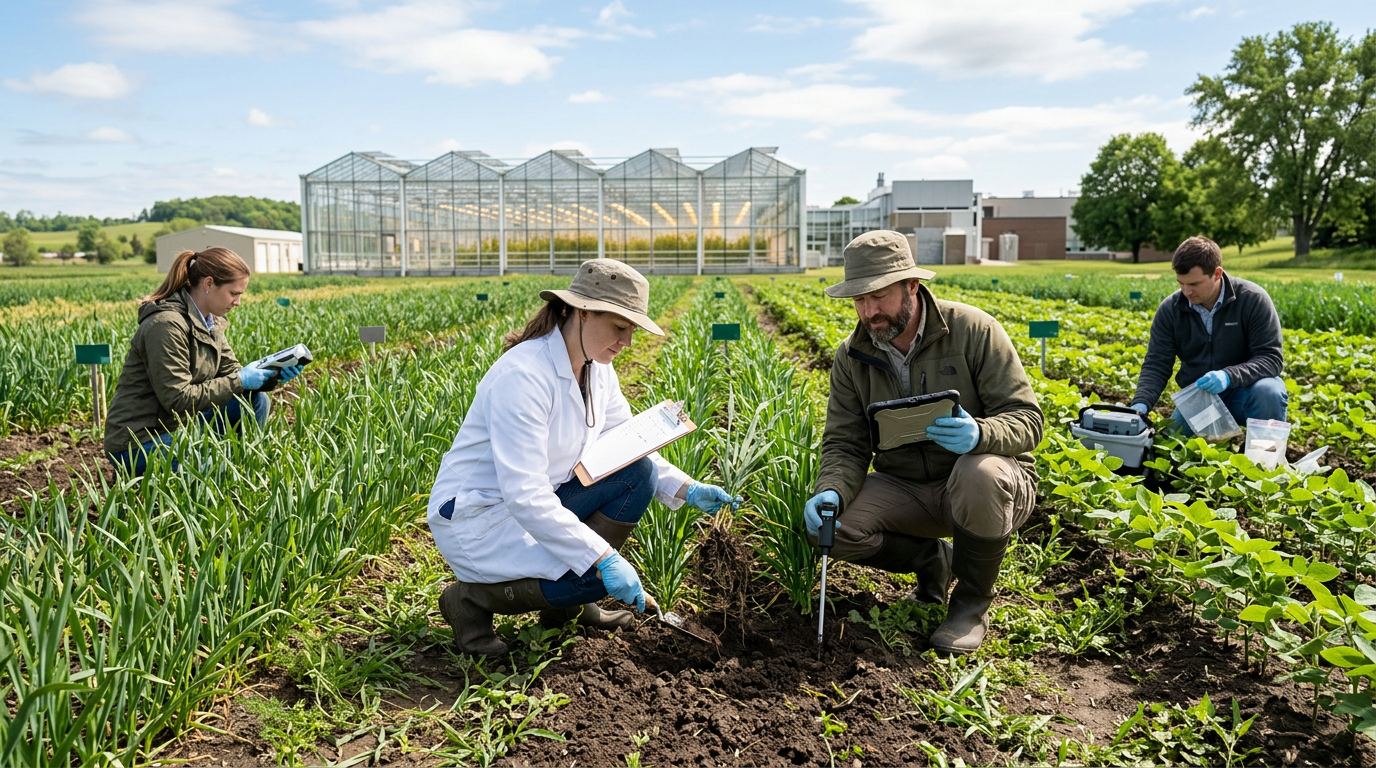
Greenhouse tests are useful for consistency, yet field trials remain decisive. Real farms add variable soils, unpredictable rain, and pest pressure that no indoor setup can fully reproduce.
Scientists focus on trade-offs as much as gains. A variety that handles drought well but loses too much yield in normal years is less useful than one with balanced performance.
Genomics helps narrow searches by identifying markers linked to resilience traits. This reduces breeding time, but it does not eliminate the need for seasons of validation in diverse environments.
Collaboration with farmers is central. Growers often highlight practical constraints such as harvest timing, milling quality, and compatibility with existing equipment that lab teams might overlook.
Seed systems also matter. A promising variety has little impact if distribution is slow, local adaptation data is missing, or extension services cannot support farmers during transition years.
Public breeding programs play a strong role here by testing lines across regions and sharing results. Their trial networks help identify where each variety performs best and where it struggles.
Communication is usually the hardest part. Headlines may promise drought-proof crops, but researchers emphasize that resilience is incremental and depends on soil care, irrigation planning, and local climate strategy.
The goal is not one miracle seed that solves water scarcity. It is a broader portfolio of options so growers can choose varieties suited to changing rainfall patterns and heat stress.
That slower, less dramatic progress can still be highly valuable. When crops hold steadier yields through difficult seasons, communities gain food security and farmers gain room to plan ahead.