
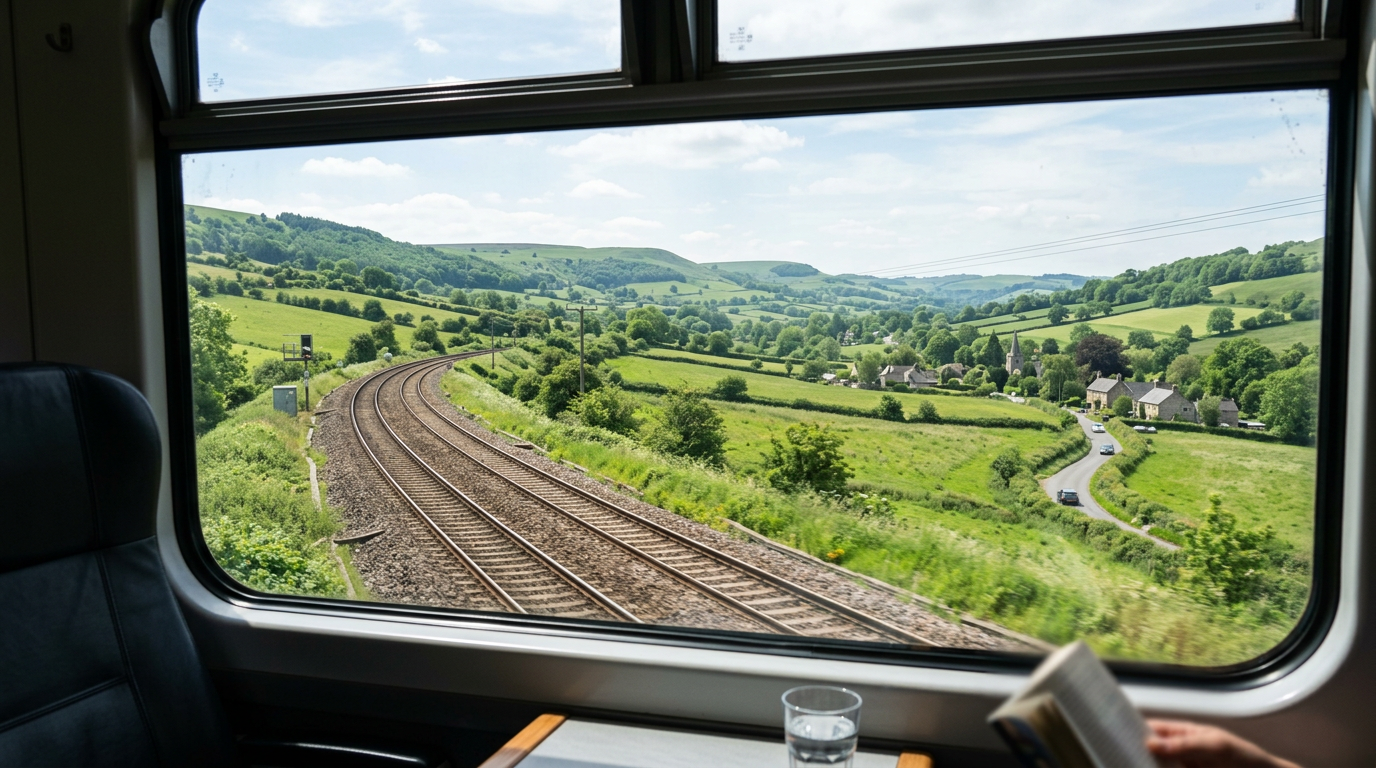
Express routes earn headlines, but regional trains often deliver the most memorable views. River bends, coastal embankments, and mountain lines reveal landscapes that high-speed corridors simply bypass.
Slow rail travel is less about efficiency and more about attention. Wider windows and lower speeds give you time to notice villages, farmland patterns, and changing light.
If possible, choose off-peak departures. Quieter carriages make it easier to switch sides for better views and reduce stress when storing bags or finding seats.
Seat selection matters more than many first-time travelers expect. Checking route orientation beforehand can help you choose the side with coastlines, cliffs, or valley panoramas.
Pack food and water that travel well. Scenic segments rarely line up with station cafes, and simple supplies keep the journey relaxed during longer intervals between stops.
Build buffer time into your day. Regional schedules can shift, and treating delays as part of the trip helps preserve the calm pace that makes this style of travel rewarding.
Consider adding one intentional stopover. A brief break in a smaller town can turn a transit day into a two-part experience with local food and short walks.
Offline maps and downloaded tickets reduce friction in areas with weak signal. Preparation helps you stay focused on the journey instead of searching for connectivity.
For photography, keep gear simple. A phone or compact camera is usually enough when the goal is to capture atmosphere rather than technical perfection.
Slow trains also offer practical benefits: lower stress, lower emissions per passenger than many alternatives, and a better sense of regional geography.
If you arrive later than planned, let it be part of the story. Slow travel works best when scenery, not strict timing, remains the main event.